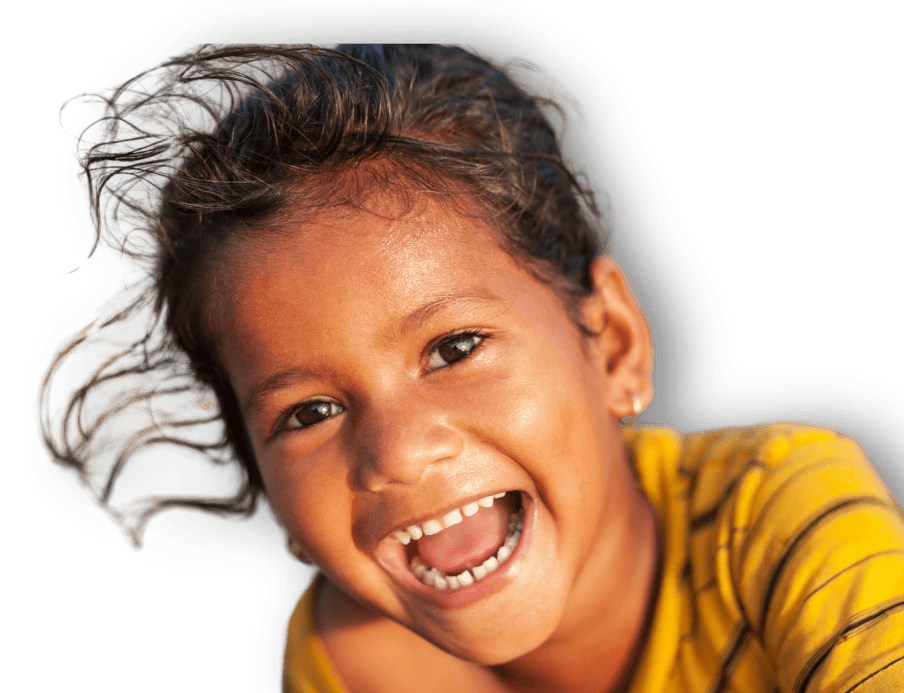
Children's rights encompass a wide range of protections and entitlements, from the right to education and healthcare to the right to be free from exploitation and abuse. These rights are essential for the overall well-being and development of children, ensuring they have access to the resources and support they need to reach their full potential. In this blog, we will explore twelve fundamental rights of children in India, highlighting their significance and the ongoing efforts to uphold them.
1. Right to Education
Explanation of the Right to Free and Compulsory Education Act
The Right to Education (RTE) Act, enacted in 2009, mandates free and compulsory education for all children aged 6 to 14 years. This landmark legislation ensures that every child has access to quality elementary education without any cost. The act obligates the government to provide adequate infrastructure, trained teachers, and necessary learning materials to create a conducive learning environment.
Importance of Education in a Child's Development
Education is a powerful tool for personal and societal transformation. For children, it opens doors to knowledge, critical thinking, and future opportunities. It equips them with essential skills, boosts their self-esteem, and lays the groundwork for their overall development. An educated child is more likely to break the cycle of poverty, contribute positively to society, and lead a fulfilling life.
Current Status and Challenges
Despite the progress made through the RTE Act, challenges remain. Many children, particularly in rural and marginalized communities, still face barriers to accessing quality education. Issues such as inadequate school infrastructure, teacher shortages, and socio-economic factors hinder the effective implementation of the act. Additionally, the COVID-19 pandemic has exacerbated these challenges, with school closures and the digital divide affecting learning continuity for millions of children.
2. Right to Health
Access to Healthcare Services for Children
The right to health ensures that children have access to essential healthcare services, including preventive and curative care. This encompasses regular health check-ups, immunizations, treatment for illnesses, and maternal and child health services. Accessible healthcare is vital for monitoring and promoting the physical and mental well-being of children.
Government Schemes and Initiatives
The Indian government has implemented various schemes and initiatives to improve children's health outcomes. Programs like the National Health Mission (NHM), Integrated Child Development Services (ICDS), and Mid-Day Meal Scheme aim to provide comprehensive healthcare, nutrition, and education support to children. These initiatives focus on reducing child mortality, improving maternal health, and addressing malnutrition.
Addressing Malnutrition and Child Mortality
Malnutrition remains a significant challenge, affecting millions of children in India. It leads to stunted growth, weakened immune systems, and increased vulnerability to diseases. The government, along with NGOs, is working tirelessly to combat malnutrition through supplementary nutrition programs, health education, and community engagement. Additionally, efforts to reduce child mortality include enhancing healthcare infrastructure, improving access to clean water and sanitation, and promoting immunization drives.
3. Right to Protection
Protection from Abuse, Exploitation, and Neglect
Children are among the most vulnerable members of society and are at significant risk of abuse, exploitation, and neglect. The right to protection ensures that children are safeguarded from physical, emotional, and sexual harm. This right aims to create a safe environment where children can grow and develop without fear of being exploited or neglected.
Child Protection Laws and Their Enforcement
India has enacted several laws to protect children from various forms of harm. The Protection of Children from Sexual Offences (POCSO) Act, Juvenile Justice (Care and Protection of Children) Act, and the Child Labour (Prohibition and Regulation) Act are key legislations designed to safeguard children. Effective enforcement of these laws is critical, involving strict penalties for offenders and robust mechanisms for reporting and addressing abuses. However, challenges like underreporting, lack of awareness, and insufficient resources for law enforcement often hinder their full implementation.
Role of Child Protection Agencies
Child protection agencies play a pivotal role in implementing and monitoring child protection laws. Organizations like the National Commission for Protection of Child Rights (NCPCR) and various NGOs work tirelessly to advocate for children's safety, conduct awareness campaigns, and provide support to victims of abuse. These agencies also offer counseling, rehabilitation, and legal assistance to ensure that children receive the care and justice they deserve.
4. Right to Identity
Right to Have a Name, Nationality, and Family
Every child has the right to an identity, which includes having a name, nationality, and family. This right is fundamental to a child's sense of self and belonging. Legal identity documents such as birth certificates are crucial as they provide official recognition and access to various services and rights.
Importance of Legal Identity Documents
Legal identity documents are essential for accessing healthcare, education, and social services. They also play a crucial role in protecting children from exploitation, trafficking, and illegal adoptions. Ensuring that every child is registered at birth and possesses identity documents is vital for their overall well-being and protection.
Efforts to Ensure Every Child is Registered at Birth
India has made significant strides in improving birth registration rates. Government initiatives and awareness campaigns have focused on encouraging parents to register their children's births promptly. These efforts aim to achieve universal birth registration, ensuring that every child is recognized and protected under the law.
5. Right to Family Life
Importance of a Family Environment
A nurturing family environment is essential for a child's emotional, social, and cognitive development. The right to family life emphasizes the importance of family support, stability, and love in a child's life. Families provide the primary context within which children form their identity, values, and social relationships.
Support for Orphans and Children Without Parental Care
Orphans and children without parental care are particularly vulnerable and require special support. Various programs and institutions provide care, shelter, and education to these children. The government, along with NGOs, offers financial assistance, psychological support, and opportunities for these children to integrate into society.
Adoption and Foster Care Policies
Adoption and foster care are vital components of child welfare policies. They provide children with the opportunity to grow up in a loving family environment. India has streamlined its adoption process through the Central Adoption Resource Authority (CARA) to ensure that adoptions are conducted ethically and transparently. Foster care programs also offer temporary or permanent family care to children who cannot remain with their biological families.
6. Right to Equality
Equal Treatment Regardless of Gender, Caste, Religion, or Disability
Every child has the right to be treated equally, without discrimination based on gender, caste, religion, disability, or any other status. This right ensures that all children have equal access to opportunities and resources, fostering an inclusive society where every child can thrive.
Laws Promoting Non-Discrimination
India has enacted several laws to promote non-discrimination and equality. The Right to Education Act, for instance, prohibits discrimination in schools based on caste, gender, or economic background. The Rights of Persons with Disabilities Act ensures that children with disabilities have access to education, healthcare, and social services on an equal footing with other children.
Real-Life Examples of Equality in Action
Numerous initiatives across India exemplify the commitment to equality. For example, programs that provide scholarships to girls and children from marginalized communities ensure that they have access to education. Inclusive schools and community programs that integrate children with disabilities promote acceptance and equality. These real-life examples demonstrate the positive impact of laws and policies designed to uphold the right to equality.
7. Right to Play and Leisure
Importance of Play and Recreational Activities for Holistic Development
Play is an integral part of a child's growth, offering numerous benefits beyond mere enjoyment. Engaging in play and recreational activities contributes to physical health, cognitive development, social skills, and emotional well-being. Through play, children learn to navigate social interactions, develop problem-solving abilities, and build resilience.
Safe and Accessible Play Spaces
Creating safe and accessible play spaces is essential for fostering a child's right to play. Parks, playgrounds, and sports facilities should be designed to accommodate all children, including those with disabilities. Ensuring that these spaces are free from hazards and accessible to children from all backgrounds promotes inclusivity and supports their overall development.
Initiatives Promoting Sports and Cultural Activities
Various initiatives across India focus on promoting sports and cultural activities for children. Schools, community centers, and NGOs organize sports events, cultural festivals, and art programs to engage children in diverse activities. These initiatives not only enhance physical fitness and creativity but also foster a sense of community and cultural appreciation among children.
8. Right to Freedom of Expression
Encouraging Children to Voice Their Opinions
Children have the right to express their thoughts, feelings, and opinions freely. Encouraging children to voice their opinions empowers them and fosters a sense of agency. This right is essential for developing critical thinking and self-confidence.
Platforms and Forums for Children's Participation
Creating platforms and forums where children can participate in discussions and decision-making processes is vital. Schools, community organizations, and local governments can establish councils, clubs, and online forums to provide children with opportunities to share their views on matters affecting their lives.
Legal Framework Supporting Freedom of Expression
The legal framework in India supports children's right to freedom of expression. The Constitution of India guarantees this right, and various laws and policies emphasize the importance of listening to children's voices. These legal protections ensure that children can freely express themselves without fear of retribution.
9. Right to Be Heard
Children's Participation in Decisions Affecting Their Lives
Children have the right to be heard in decisions that impact their lives. This right ensures that their perspectives are considered in matters such as education, family decisions, and community policies. Involving children in these processes respects their autonomy and promotes their well-being.
Mechanisms for Children to Express Their Views
Effective mechanisms for children to express their views include child-friendly complaint systems, suggestion boxes in schools, and regular consultations with children on various issues. These mechanisms provide children with safe and supportive environments to share their thoughts and concerns.
Role of Schools and Communities in Fostering This Right
Schools and communities play a crucial role in fostering children's right to be heard. Educators and community leaders should create inclusive environments that encourage open communication and actively seek children's input. By doing so, they help children develop a sense of belonging and participation in their communities.
10. Right to Privacy
Protecting Children's Personal Information and Dignity
Children have the right to privacy, which includes safeguarding their personal information and protecting their dignity. This right ensures that children can develop their identity and autonomy without unwarranted interference.
Laws Safeguarding Privacy in Various Contexts
Several laws in India protect children's privacy, including the Juvenile Justice Act and the Information Technology Act. These laws regulate the collection, storage, and use of children's personal data, ensuring that their privacy is respected in various contexts, including online activities and medical records.
Challenges and Solutions in the Digital Age
The digital age presents new challenges for protecting children's privacy, such as online data breaches and cyberbullying. To address these issues, there must be robust cybersecurity measures, digital literacy programs for children and parents, and stringent enforcement of privacy laws. Educating children about online safety and responsible digital behavior is also crucial for safeguarding their privacy.
11. Right to Protection from Child Labor
Laws Prohibiting Child Labor and Exploitation
India has stringent laws prohibiting child labor and exploitation, such as the Child Labour (Prohibition and Regulation) Amendment Act. These laws ban the employment of children below a certain age in hazardous occupations and regulate the working conditions for older children to prevent exploitation.
Efforts to Eradicate Child Labor in Various Sectors
Efforts to eradicate child labor include strict enforcement of labor laws, awareness campaigns, and community-based initiatives. Government agencies and NGOs work together to identify and rescue child laborers, providing them with rehabilitation and educational opportunities.
Rehabilitation and Education Programs for Child Laborers
Rehabilitation and education programs are essential for reintegrating child laborers into society. These programs offer vocational training, psychological support, and formal education to help former child laborers build a better future. By providing these resources, we can break the cycle of exploitation and empower children to pursue their dreams.
12. Right to Protection from Trafficking
Combating Child Trafficking and Exploitation
Child trafficking is a grave violation of children's rights, involving the illegal recruitment, transportation, and exploitation of children. Combating this heinous crime requires coordinated efforts from law enforcement agencies, governments, and international organizations.
Government and NGO Efforts in Rescue and Rehabilitation
The government and NGOs play a vital role in rescuing and rehabilitating trafficked children. Rescue operations involve identifying trafficking networks, conducting raids, and providing immediate care to rescued children. Rehabilitation programs focus on counseling, legal assistance, and reintegration into society.
Preventive Measures and Community Awareness
Preventive measures include strengthening border controls, enhancing law enforcement training, and implementing strict penalties for traffickers. Community awareness campaigns are also crucial in educating the public about the dangers of child trafficking and encouraging them to report suspicious activities. By raising awareness and promoting vigilance, we can prevent trafficking and protect vulnerable children.
Conclusion
The fundamental rights of children in India encompass a wide range of protections and entitlements designed to ensure their well-being and development. By upholding these rights, we not only safeguard the dignity and future of our children but also contribute to building a more just and equitable society. As we continue to address the challenges and work towards better implementation of these rights, we move closer to a world where every child can grow, learn, and thrive in a safe and nurturing environment.